Premise
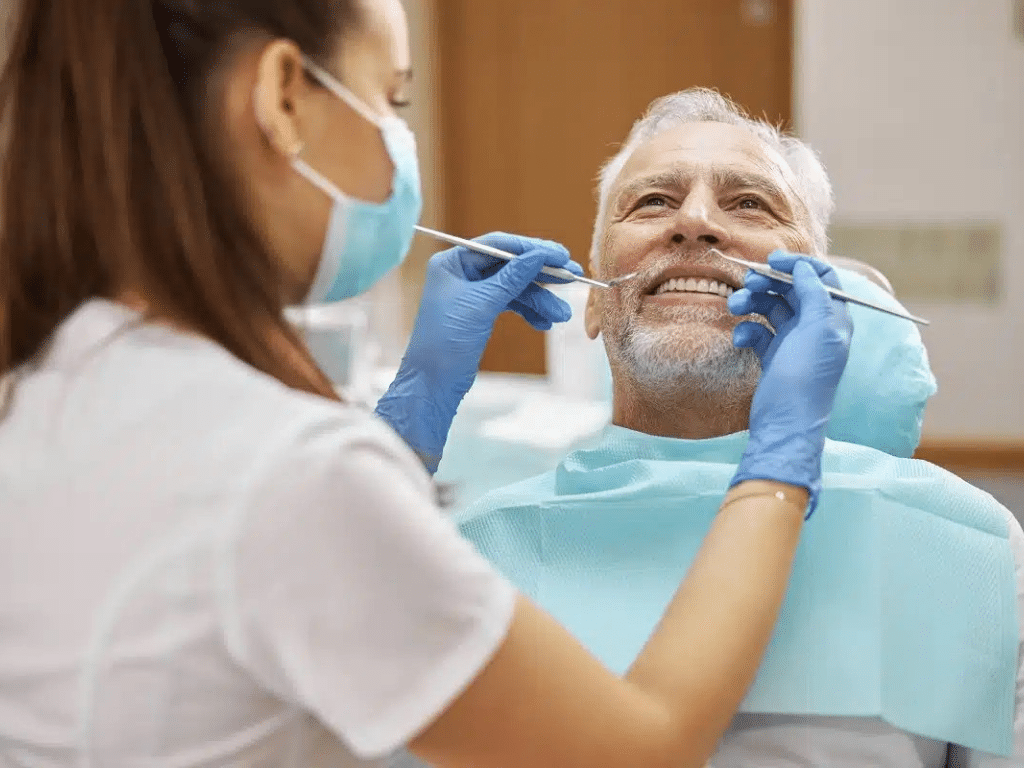
As the population in Caledonia and the surrounding Haldimand County ages, the focus of oral healthcare has shifted from basic repair to long-term preservation. Modern dentistry allows seniors to keep their natural teeth longer than ever before, while dental implants have become the gold standard for tooth replacement. However, the biological environment of the mouth changes significantly after age 65. This article explores the necessity of specialized senior dental checkups to navigate these changes, ensuring that both biological teeth and prosthetic investments remain functional and beautiful for a lifetime.
Introduction
Aging is a privilege, but it brings specific challenges to our oral health. For the residents of Caledonia, maintaining a vibrant smile into the golden years isn’t just about aesthetics; it is a critical component of systemic health, nutrition, and social confidence. Many seniors today are part of a “transitional generation”—they have a mix of original teeth, extensive dental work from decades past, and perhaps modern dental implants. Each of these requires a different approach to maintenance.
Standard checkups that sufficed in your 30s or 40s often miss the nuances of geriatric oral biology. From the “dry mouth” side effects of common medications to the increased risk of root decay as gums naturally recede, the stakes are higher. Furthermore, dental implants, while immune to cavities, are susceptible to unique inflammatory conditions that can lead to bone loss if not monitored. This guide outlines the ten pillars of senior dental care in Caledonia, emphasizing how proactive professional intervention can protect your smile from the wear and tear of time.
1. Addressing the “Dry Mouth” Epidemic (Xerostomia)
As we age, many Canadians find themselves managed on various medications for blood pressure, cholesterol, or chronic pain. A common, yet often overlooked, side effect of these pharmaceuticals is a significant reduction in salivary flow. Saliva is the mouth’s natural defense mechanism, neutralizing acids and washing away food debris. Without it, the risk of rapid tooth decay and oral infections skyrockets.
- The Impact: Saliva contains essential minerals like calcium and phosphate that help “re-mineralize” enamel. In a dry environment, even a healthy diet can lead to “rampant decay.”
- Professional Management: During a senior checkup, your dentist will assess your salivary glands and may prescribe specialized rinses, gels, or xylitol-based products to mimic natural moisture.
- Home Care Adjustments: Caledonia seniors are often advised to increase water intake and avoid alcohol-based mouthwashes, which can exacerbate dryness.
2. Preventing Root Caries and Receding Gums
Gingival recession is common in older adults, often the result of decades of brushing or historical periodontal issues. When gums recede, the root surface of the tooth is exposed. Unlike the crown of the tooth, which is protected by hard enamel, the root is covered by cementum, which is much softer and more susceptible to decay (root caries).
- The Danger Zone: Root decay can progress much faster than traditional cavities, often tunneling toward the nerve before the patient feels any sensitivity.
- Fluoride Therapy: Dentists in Caledonia frequently apply high-concentration fluoride varnishes during senior checkups to harden exposed root surfaces.
- Technique Refinement: A checkup allows the hygienist to ensure you aren’t using a “scrubbing” motion that further damages fragile gum tissue.
3. Maintenance of Dental Implants and Peri-Implantitis Prevention
Dental implants are a wonderful innovation, but they are not “set and forget.” While the titanium post cannot rot, the gum and bone surrounding it are living tissues. Seniors are particularly prone to peri-implantitis, an inflammatory condition similar to gum disease that affects the tissues around an implant.
- Professional Monitoring: Specialized instruments (often plastic or titanium-coated) are used during checkups to clean around implants without scratching them.
- Bone Density Checks: X-rays are used to monitor the bone levels around the implant. If bone loss is detected early, it can often be reversed or stabilized.
- The “Implant vs. Tooth” Balance: Because implants don’t have a periodontal ligament (the “shock absorber” natural teeth have), the way they bite against your other teeth must be checked regularly to prevent mechanical failure.
4. The Oral-Systemic Health Connection
There is a growing body of evidence linking oral health to overall systemic health, particularly in seniors. Chronic inflammation in the mouth, such as periodontitis, has been linked to heart disease, diabetes, and even respiratory infections. For Caledonia residents managing these conditions, a clean mouth is a vital part of their medical regimen.
- Diabetes Management: Gum disease can make it harder to control blood sugar, and high blood sugar can make gum disease worse—a dangerous cycle.
- Heart Health: Bacteria from the mouth can enter the bloodstream and contribute to arterial plaque.
- Aspiration Pneumonia: For seniors with mobility or swallowing issues, oral bacteria can be inhaled into the lungs, leading to serious bouts of pneumonia.
5. Screening for Oral Cancer
The risk of oral cancer increases significantly with age. While smoking and alcohol consumption are known risk factors, many cases occur in patients with no history of either. Early detection is the single most important factor in successful treatment outcomes.
- The Visual Exam: Dentists look for white or red patches (leukoplakia or erythroplakia) and lumps that may not be painful but indicate cellular changes.
- Manual Palpation: The dentist will feel the neck and under the jaw for enlarged lymph nodes or abnormalities in the salivary glands.
- Patient Education: Seniors are taught what to look for at home, such as sores that do not heal within two weeks.
6. Managing Worn and Brittle Dentition
After 70 or 80 years of chewing, teeth naturally show signs of wear. However, seniors often experience “brittle” teeth due to the loss of moisture in the tooth’s internal structure (the dentin). This makes teeth more prone to fracturing under normal chewing forces or if they have large, old silver fillings.
- Structural Assessments: The dentist checks for “craze lines” or micro-fractures that could lead to a catastrophic break.
- Protective Restorations: Sometimes, “topping” a brittle tooth with a crown or onlay is recommended to prevent it from splitting, which would necessitate an extraction.
- Bite Calibration: As we lose height in our teeth due to wear, our jaw alignment changes. Checking the “occlusion” ensures that force is distributed evenly across all teeth.
7. The Evolution of Dentures and Partial Maintenance
Even if you have lost some natural teeth, the remaining ones (the “abutment” teeth) are under increased pressure. For those in Caledonia wearing partial or full dentures, regular checkups ensure the appliances fit correctly and aren’t causing sores or bone resorption.
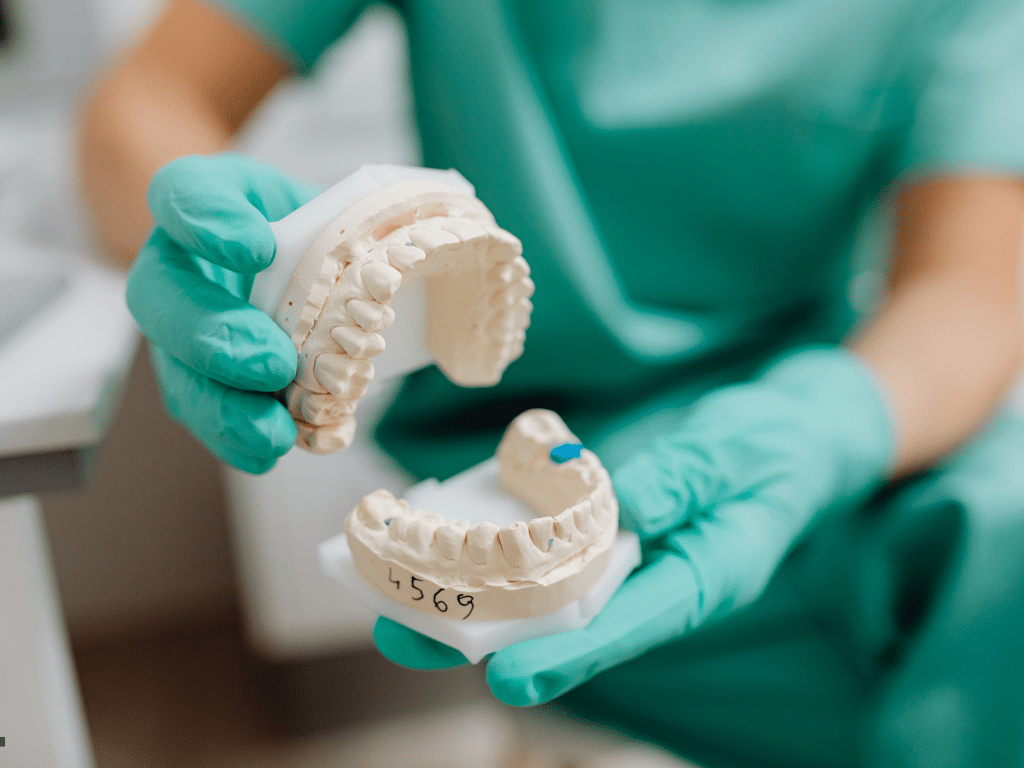
- Denture Relining: Over time, the jawbone shrinks. A checkup determines if a denture needs to be “relined” to stay snug and functional.
- Ultrasonic Cleaning: Professional-grade cleaning of dentures removes calcified tartar that home brushing cannot reach.
- Soft Tissue Health: The dentist examines the tissue under the denture to ensure there is no fungal infection (denture stomatitis) or irritation.
8. Nutritional Guidance for Aging Smiles
Good nutrition is essential for maintaining the immune system and the health of the jawbone. However, if teeth are sore or implants are loose, seniors often shift toward a “soft food” diet, which is frequently high in processed carbohydrates and sugars.
- Dietary Counseling: A senior checkup often includes a discussion about diet. High-sugar snacks can be devastating in a mouth with reduced saliva.
- Mechanical Function: By ensuring teeth are sharp and stable, the dentist enables the patient to continue eating fibrous vegetables and proteins.
- Vitamin D and Calcium: For Caledonia seniors, especially in the winter months, discussing the role of these nutrients in maintaining jawbone density is crucial.
9. Cognitive Health and Oral Hygiene Assistance
As some seniors face cognitive decline or reduced manual dexterity (due to arthritis), maintaining a complex oral hygiene routine becomes difficult. Part of a modern senior dental checkup involves assessing whether the patient needs simplified tools.
- Adaptive Tools: Dentists may recommend electric toothbrushes with oversized grips or specialized flossing aids.
- Caregiver Support: If a family member or caregiver is assisting with hygiene, the dental team can provide training on how to clean another person’s teeth effectively.
- Frequent Cleanings: For those struggling with home care, increasing the frequency of professional cleanings (e.g., every 3-4 months) can prevent major issues.
10. Aesthetics and Confidence in the Golden Years
There is no reason why a senior shouldn’t feel proud of their smile. Modern dentistry offers many conservative ways to brighten and straighten teeth that have shifted or stained over time.
- Stain Removal: Professional polishing can remove decades of coffee, tea, or tobacco stains that over-the-counter products can’t touch.
- Conservative Bonding: Small chips or gaps can be filled with tooth-coloured resin to rejuvenate the smile’s appearance.
- Social Engagement: A healthy-looking smile encourages seniors to remain socially active, which is a key indicator of long-term mental health.
Conclusion
Protecting your natural teeth and implants in your senior years requires a shift from reactive care to proactive maintenance. For the residents of Caledonia, the goal is to ensure that your oral health supports your lifestyle, rather than hindering it. Regular checkups are the frontline defense against the unique biological challenges of aging, from dry mouth to peri-implantitis. By investing in specialized senior dental care, you aren’t just saving your teeth; you are protecting your ability to eat, speak, and smile with confidence for the rest of your life.
- Name: Dentistry AT The Plex
- Address: 370 Argyle St S, Caledonia, ON N3W 2N2
- Phone: 289.960.0730
- Email: Send an email to [email protected]
- Website: Visit their website at www.dentistryattheplex.com.
Caledonia Seniors: Your Smile Has a History—Let’s Give It a Future.