Premise
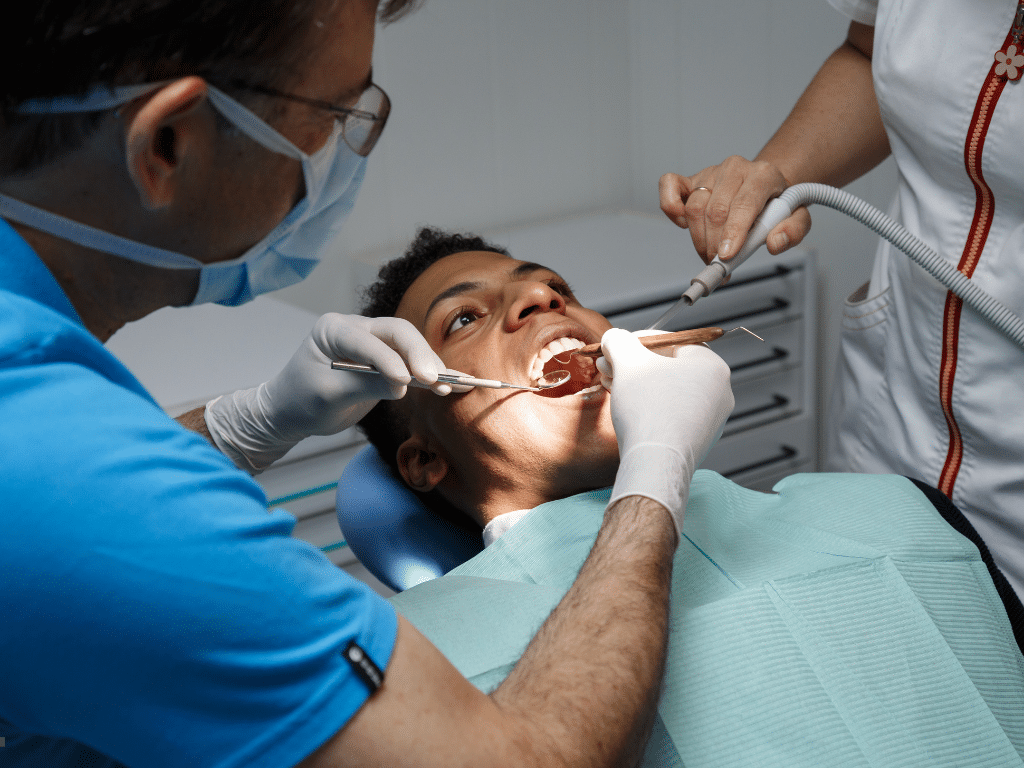
The overarching premise of this article is that while modern conservative dentistry prioritizes preserving natural teeth, certain urgent clinical circumstances require immediate extraction to protect a patient’s overall health. In the context of emergency dental care in Caledonia, recognizing when a tooth is non-restorable prevents life-threatening systemic infections, eliminates excruciating pain, and lays the foundation for future restorative success.
Introduction
Caledonia is a vibrant, tight-knit community situated along the beautiful Grand River. While residents enjoy a peaceful, picturesque lifestyle, unexpected medical and dental crises can strike anyone at any time. A sudden, agonizing toothache or a traumatic oral injury can quickly transform a routine day into a high-stress scenario. When a dental emergency arises, the primary instinct of both the patient and the dentist is to save the natural tooth. Modern advancements in endodontics, crowns, and restorative materials make tooth preservation highly successful. However, there are specific, critical instances where attempting to save a tooth is no longer viable, safe, or practical.
In these severe situations, an immediate emergency tooth extraction becomes the most responsible and effective course of action. Delaying the removal of a profoundly damaged or infected tooth can lead to widespread systemic health risks, irreversible bone loss, and unbearable pain. Understanding the distinct warning signs that dictate the necessity of an immediate extraction is crucial for every resident in Haldimand County. This article outlines the top ten scenarios where seeking a prompt extraction is vital to safeguarding your smile and your long-term well-being.
1. Severe, Deep Dental Decay Beyond Restorable Limits
When dental decay is left untreated, it progresses from a minor surface cavity into a massive structural deficit that completely hollows out the tooth. In emergency scenarios, a dentist may discover that the structural integrity of the crown has entirely collapsed, leaving insufficient healthy tooth structure to support a filling, inlay, or full-coverage crown. When the decay reaches deep into the root canal system and decimates the underlying root structure, the tooth becomes completely non-restorable.
- Total Structural Collapse: The outer enamel and underlying dentin are so thoroughly degraded by bacteria that any attempt to prepare the tooth for a restoration would cause it to fracture completely.
- Root Vulnerability: The decay has travelled vertically beneath the gumline, infecting the root bifurcation, making root canal therapy biologically impossible.
- Systemic Risk: Keeping a completely decayed tooth structure in the oral cavity acts as a permanent reservoir for harmful bacteria, leading to chronic foul breath, taste disturbances, and recurring local infections.
- The Extraction Solution: Removing the non-restorable remnants eliminates the bacterial breeding ground immediately, clearing the path for future bone grafting and a clean dental implant placement.
2. Advanced Periodontal Disease with Extreme Tooth Mobility
Periodontal disease is a silent, chronic bacterial infection that attacks the gums, periodontal ligaments, and the alveolar bone supporting the teeth. When it reaches an advanced stage during an emergency flare-up, the sheer volume of bone loss results in extreme tooth mobility. If a tooth has lost more than seventy percent of its foundational bone support, it can become so loose that it shifts under the slightest tongue pressure or causes excruciating pain during mastication.
- Irreversible Foundational Deficit: Unlike enamel or dentin, once the alveolar bone is completely destroyed by advanced periodontitis, it cannot spontaneously regenerate to hold a loose tooth steady.
- Acute Periodontal Abscesses: Deep periodontal pockets become severely infected, accumulating pus, causing localized swelling, and generating a highly throbbing, agonizing ache.
- Risk to Neighbouring Teeth: Leaving a hyper-mobile, highly infected periodontal tooth in place allows the pathogenic bacteria to migrate horizontally, destroying the bone surrounding adjacent healthy teeth.
- Why Extraction is Required: Extracting the mobile tooth allows the deep-seated periodontal pocket to drain completely, resolves the local infection, and stops the progressive destruction of the surrounding jawbone.
3. Acute Facial Swelling and Spreading Abscess Infections
A dental abscess is a localized collection of pus caused by a severe bacterial infection within the pulp or surrounding tissues. When this infection breaches the apex of the tooth root and begins spreading rapidly into the surrounding soft tissues of the face, neck, or jaw, it constitutes a life-threatening medical emergency. Sudden facial asymmetry, visible swelling under the eye or along the jawline, and a high fever indicate that the infection is no longer localized and requires urgent, definitive intervention.
Urgent Warning: Spreading dental infections can lead to Ludwig’s Angina—a severe infection of the floor of the mouth that can completely close off the airway. Immediate emergency extraction is often combined with surgical drainage to save a patient’s life.
- Inability to Access the Pulp: When facial swelling is extreme, a patient may experience severe trismus (difficulty opening the mouth), making standard root canal therapy physically unfeasible.
- Definitive Drainage Pathway: Extracting the infected tooth provides an immediate, wide-diameter drainage pathway through the empty socket, allowing accumulated pus and pressure to escape rapidly.
- Preventing Sepsis: Removing the primary source of the infection halts the systemic spread of bacteria into the bloodstream, lowering the immediate risk of sepsis.
- Post-Extraction Stabilization: Once the tooth is extracted, high-dose antibiotics can target the remaining soft-tissue swelling much more effectively.
4. Vertical Root Fractures Extending Below the Gumline
Traumatic impacts, biting down on hard objects, or structural fatigue can cause a tooth to split or crack. While horizontal or superficial crown fractures can often be repaired with dental bonding or crowns, a vertical root fracture is a completely different story. This type of fracture originates at the root apex and extends vertically upward toward the crown, effectively splitting the root structure into two or more distinct pieces.
- Microbial Infiltration: The fracture line creates an immediate, un-sealable microscopic pathway for oral bacteria to flood directly into the bone and periodontal ligament.
- Chronic Pain and Inflammation: Every time the patient bites down, the fractured segments flex against each other, mechanically grinding against the sensitive alveolar bone and nerves.
- Diagnostic Markers: Vertical root fractures are often difficult to see on standard 2D X-rays, but they manifest as localized deep pockets and a distinct J-shaped bone loss pattern on advanced imaging.
- The Inevitability of Extraction: Because there is no medical cement, band, or root canal technique capable of permanently fusing a split root back together, an immediate extraction is the singular solution to relieve the pain and stop bone destruction.
5. Severe Traumatic Dental Injury with Extensive Root Shattering
High-impact sports injuries, car accidents, or accidental falls along Caledonia’s recreational areas can result in profound dental trauma. When a tooth is subjected to severe blunt-force trauma, the root hidden within the jawbone can shatter into multiple fragments. Even if the visible crown appears relatively intact, a shattered root means the tooth has lost its blood supply, structural stability, and connection to the periodontal ligament.
- Inability to Stabilize: Standard splinting techniques, which work well for loosened or cleanly knocked-out teeth, are entirely ineffective when the root itself is in multiple pieces.
- Necrotic Pulpal Tissue: The pulpal nerve tissue within a shattered root dies instantly, leading to rapid tissue necrosis, excruciating inflammatory pain, and immediate infection.
- Bone Fragment Contamination: Sharp pieces of the shattered root can puncture the surrounding bone socket and gums, leading to internal bleeding, severe hematomas, and a high risk of localized osteomyelitis.
- Prompt Surgical Removal: An emergency extraction in this case involves carefully retrieving all the tiny, shattered root fragments to prevent internal scarring, chronic infection, and permanent jawbone damage.
6. Impacted Wisdom Teeth with Acute, Unmanageable Pericoronitis
Wisdom teeth, or third molars, are the last teeth to erupt in the mouth, usually appearing during the late teens or early twenties. Due to a lack of space in the modern human jaw, these molars often become partially or completely impacted within the bone. When a wisdom tooth is partially erupted, a small flap of gum tissue (an operculum) covers a portion of the crown. This creates a trap for food and bacteria that cannot be cleaned, leading to an acute, agonizing infection known as pericoronitis.
- Severe Trismus and Sore Throat: Acute pericoronitis causes dramatic swelling that radiates to the throat, swallowing mechanisms, and temporomandibular joint, making it hard to speak or swallow.
- Cyst and Tumour Formation: Impaction can lead to the formation of a dentigerous cyst around the crown of the wisdom tooth, which can slowly hollow out the jawbone and damage the roots of the adjacent second molar.
- Recurring Systemic Illness: Once an operculum becomes infected, it frequently recurs, causing cycles of fever, swollen lymph nodes, and a terrible, foul metallic taste in the mouth.
- Immediate Surgical Intervention: Extracting the impacted wisdom tooth eliminates the physical trap entirely, immediately resolving the pericoronitis and protecting the structural health of the entire posterior jaw.
7. Failed Prior Root Canal Therapy with Irreversible Recurrent Infection
Root canal therapy has an exceptionally high success rate, but occasionally, a treated tooth can develop a secondary infection months or years later. This occurs if the tooth had ultra-complex, microscopic accessory canals that could not be fully cleaned, or if the protective crown developed a leak, allowing bacteria to re-contaminate the internal chamber. When a secondary root canal retreat or an apicoectomy (root-end surgery) is not clinically viable, an immediate extraction becomes necessary.
- Chronic Periapical Pathosis: The bacteria inside a failed root canal tooth form a resilient biofilm that continually releases toxins into the bone at the tip of the root, leading to a persistent, painful bone lesion.
- Structural Weakness from Re-treatment: Attempting multiple endodontic treatments removes more dentin from inside the tooth, rendering it incredibly brittle and highly prone to catastrophic fracturing.
- Cost-Benefit and Prognosis: When the long-term prognosis of a re-treatment is exceptionally poor, continuing to invest in saving a compromised tooth is counterproductive.
- Transitioning to a Predictable Alternative: An immediate extraction puts an end to the chronic inflammation and preserves the remaining jawbone, ensuring a highly predictable and secure landscape for a modern dental implant.
8. Compromised Teeth Prior to Critical Systemic Medical Treatments
When a Caledonia patient is diagnosed with a serious medical condition requiring urgent cancer therapies—such as radiation to the head and neck or high-dose chemotherapy—their oral health takes on a life-or-death significance. Before these aggressive therapies begin, a comprehensive dental clearance is mandatory. Any tooth that exhibits deep decay, advanced infection, or a high risk of future failure must be extracted immediately.
- Risk of Osteoradionecrosis: Radiation therapy to the jaw permanently compromises the bone’s blood supply. If an infected tooth requires extraction after radiation, the jawbone may fail to heal, leading to a devastating bone-dying condition called osteoradionecrosis.
- Chemotherapy-Induced Neutropenia: Chemotherapy plummets the body’s white blood cell count, making it impossible to fight off even minor dental infections. A simple tooth infection can rapidly escalate into systemic bacteremia or fatal septic shock.
- The Tight Window of Opportunity: Emergency extractions must be performed at least two to three weeks before the commencement of oncology treatments to ensure the extraction socket is fully healed.
- Proactive Preventive Extraction: While it feels counterintuitive to extract a tooth that might not be causing pain today, doing so protects the patient from catastrophic systemic vulnerabilities during their medical journey.
9. Intolerable Crowding and Severe Malocclusion Causing Immediate Trauma
While most orthodontic extractions are meticulously planned over months, certain acute presentation cases require emergency intervention. Severe, extreme dental crowding can sometimes cause a malpositioned tooth to erupt completely out of its proper alignment. This misplaced tooth can constantly chew into the inner cheek, tongue, or opposing gingival tissue, creating deep, ulcerated wounds that refuse to heal and become infected.
- Chronic Soft-Tissue Ulceration: The sharp, misaligned edges of the crowded tooth create a continuous mechanical trauma, transforming oral mucosa into open, bleeding ulcers that hinder proper nutrition.
- Impedance of Vital Function: Extreme crowding can occasionally prevent a patient from closing their mouth completely, leading to joint strain, severe dry mouth, and an inability to chew food safely.
- Severe Psychological and Physical Distress: Managing constant soft-tissue bleeding combined with intense, localized pressure pain from misaligned forces can wear down a patient’s daily stamina.
- Immediate Structural Relief: Strategically extracting the severely misplaced, non-functional tooth provides instantaneous relief to the lacerated soft tissues and creates the immediate space required to re-establish oral function.
10. Complete Destruction of the Visual Tooth Crown from Rampant Caries
Rampant dental caries can progress to a point where the entire visible portion of the tooth—the clinical crown—is completely eaten away by decay, leaving nothing behind but jagged, black root stumps level with or buried beneath the gum tissues. These retained root tips are prone to continuous irritation from food debris and friction from the tongue, transforming them into chronic sources of acute emergency pain.
- Constant Soft Tissue Laceration: The sharp, remaining edges of the root stumps constantly slice into the tongue and inner cheek during speaking or chewing, increasing the risk of chronic hyperplastic lesions.
- Spontaneous Severe Pain: Even though the crown is gone, the nerves inside the root canals remain partially alive or highly necrotic, causing unexpected, stabbing neuralgic pain.
- Obstruction of Cleanliness: It is physically impossible to keep a buried root stump clean, leading to a permanent accumulation of plaque, tartar, and foul-smelling bacterial byproducts in the local area.
- Surgical Root Tip Elevation: An immediate emergency extraction utilizes specialized instruments to gently elevate these deeply buried root stumps, removing the underlying source of friction, bad breath, and imminent infection.
Conclusion
Facing a dental emergency can be an overwhelming experience, but understanding your options is the first step toward relief. While the primary goal of modern dentistry is always the preservation of your natural smile, certain critical scenarios leave no alternative but an immediate tooth extraction. Whether you are dealing with a spreading abscess, a vertical root fracture, or a shattered tooth from sudden trauma, an extraction can be a truly positive, health-saving procedure. By removing a source of severe infection and pain, you protect the rest of your mouth, safeguard your systemic health, and open the door to advanced, lifelike tooth replacement options like dental implants. If you suspect you are facing a dental emergency in Caledonia, do not wait for the symptoms to worsen—reach out to a trusted professional right away.
Act Now for Emergency Dental Relief in Caledonia
Do not let excruciating tooth pain or a spreading dental infection compromise your quality of life and systemic health. The compassionate, highly skilled team at Dentistry At The Plex is standing by to provide prompt, expert emergency dental care when you need it most. We prioritize emergency cases to ensure you receive rapid diagnosis, effective pain management, and precise surgical extractions in a comfortable, supportive environment. Contact us immediately to stabilize your smile and regain your peace of mind.
- Name: Dentistry AT The Plex
- Address: 370 Argyle St S, Caledonia, ON N3W 2N2
- Phone: 289.960.0730
- Email: Send an email to [email protected]
- Website: Visit their website at www.dentistryattheplex.com.
Fast, compassionate emergency dental care in Caledonia—restoring your comfort and protecting your smile when every second counts!