An Ounce of Prevention in a Growing Community
Oral cancer, a term encompassing cancers of the lips, tongue, cheeks, floor of the mouth, hard and soft palate, sinuses, and pharynx, is a serious and potentially devastating disease. While often overshadowed by other forms of cancer in public discourse, its incidence and mortality rates in Canada remain a significant public health concern. The good news—and the central focus of this article—is that when oral cancer is detected early, the survival rate climbs dramatically, often exceeding 80–90%. Unfortunately, many cases are still diagnosed late, primarily because the early warning signs can be subtle and easily missed by the untrained eye. This is where the power of a routine oral cancer screening, a simple, painless, and quick procedure integrated into your regular dental check-up, comes into play. For residents of Caledonia, Ontario, a thriving community along the Grand River, prioritizing this screening is an essential part of maintaining overall health. A proactive approach is particularly crucial in communities where accessibility to specialized care might require travel. By highlighting the ease and necessity of this check-up, this article aims to demystify the process and motivate every resident to prioritize this vital, life-saving step at their local dental office, such as Dentistry at the Plex.
Introduction: Your Dentist, Your First Line of Defence
Welcome to the heart of preventative health. You might view your trip to the dentist in Caledonia primarily as a chance to get a cleaning, a filling, or perhaps a conversation about teeth whitening. However, your local dental professional, be they a dentist or a registered dental hygienist, plays a much more profound role: they are your first line of defence against one of the most insidious diseases—oral cancer. This simple, non-invasive check-up is one of the most valuable services they offer. It takes mere minutes, involves no pain, and can be the single factor that saves your life.
In this comprehensive guide, we will pull back the curtain on oral cancer screening. We will delve into what the procedure entails, why it’s so critical, who is most at risk, and how local dental practices are making this screening a routine, indispensable part of your preventative health regimen. By understanding the power of early detection, you will be equipped to take control of your health and ensure that your next dental visit is not just about a sparkling smile, but about securing a healthy future.
The 10 Essentials of Oral Cancer Screening
1. The Scope of Oral Cancer: Why Early Detection is Everything
Oral cancer typically refers to squamous cell carcinomas, which make up about 90% of all cancers in the oral cavity and oropharynx (the back of the throat). In Canada, thousands of individuals are diagnosed each year, and sadly, a significant percentage lose their lives. The reason for the high mortality when diagnosed late is metastasis—the cancer cells have had time to spread to the lymph nodes in the neck and other parts of the body. This single factor makes early detection non-negotiable. When caught in the earliest stages (Stage I), often as a small lesion confined to the oral cavity, treatment is highly successful, frequently involving a straightforward surgical excision with excellent prognosis. The dentist’s role is to catch these precancerous conditions (like leukoplakia or erythroplakia) or early-stage cancers before they become noticeable, painful, or advanced. Therefore, the screening is a proactive search for microscopic or minimally-invasive changes that the patient wouldn’t even be aware of, completely transforming the treatment outcome from complex, life-altering surgery and radiation to simple, effective intervention.
2. The Simple, Non-Invasive Clinical Screening Process
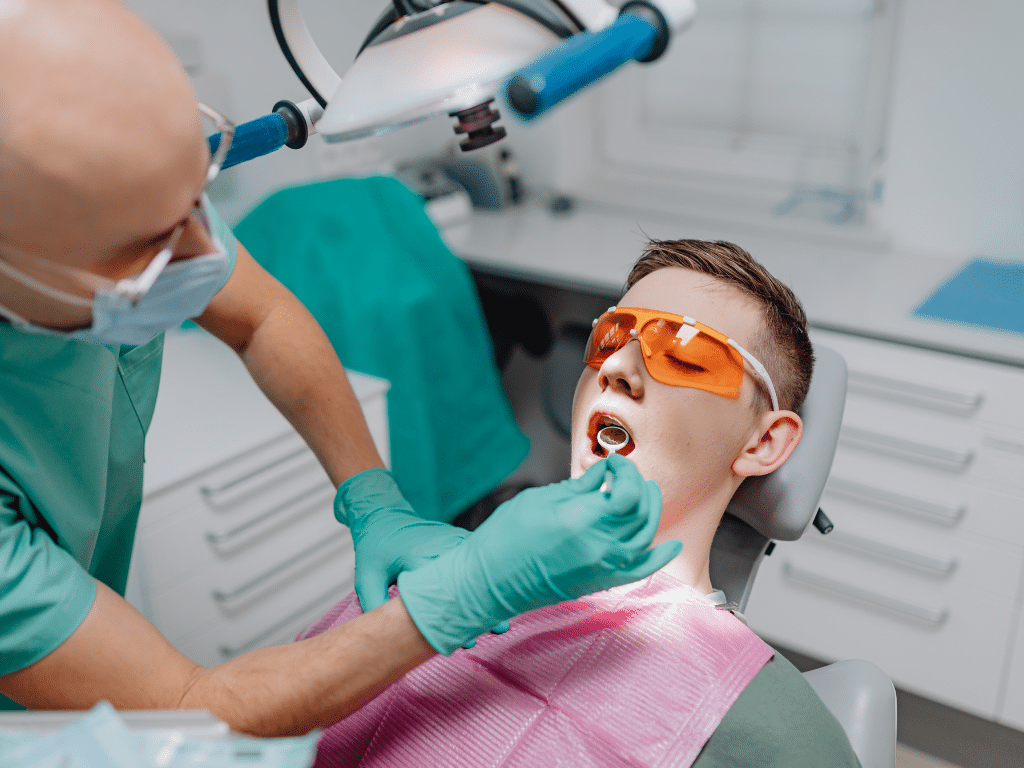
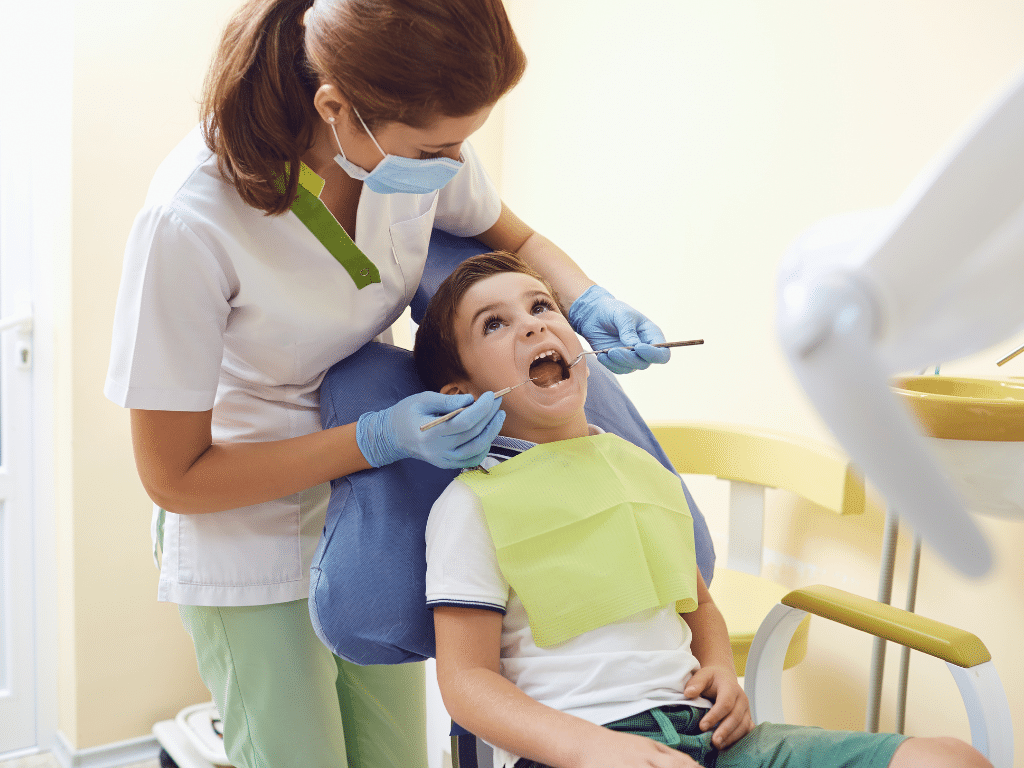
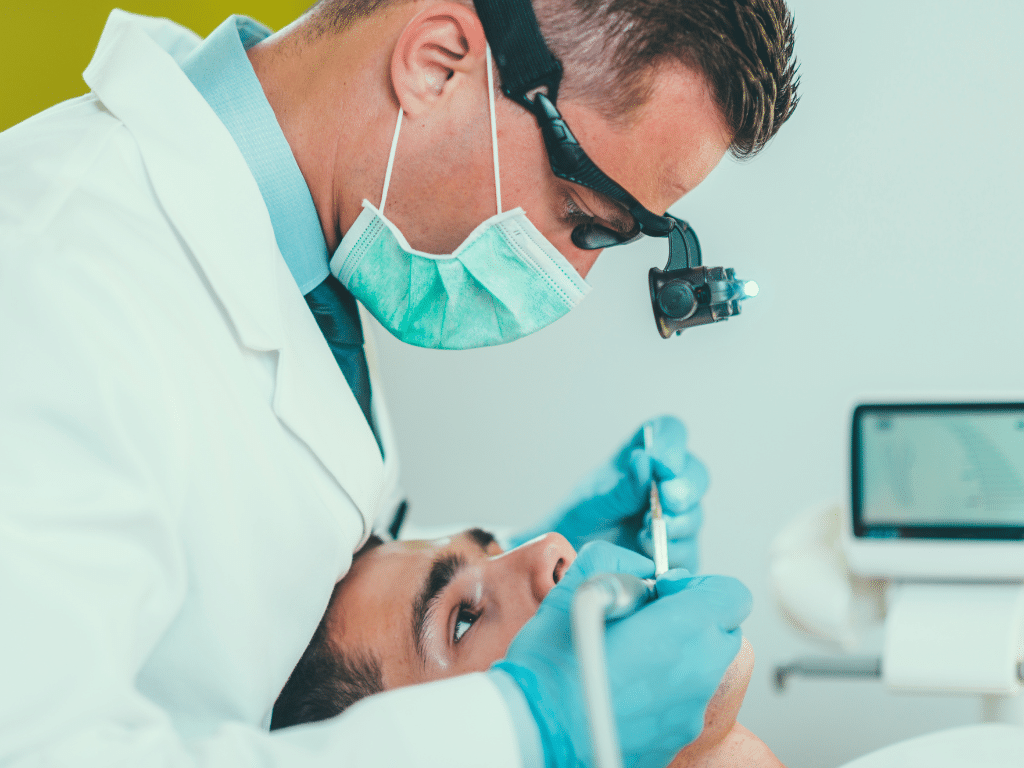
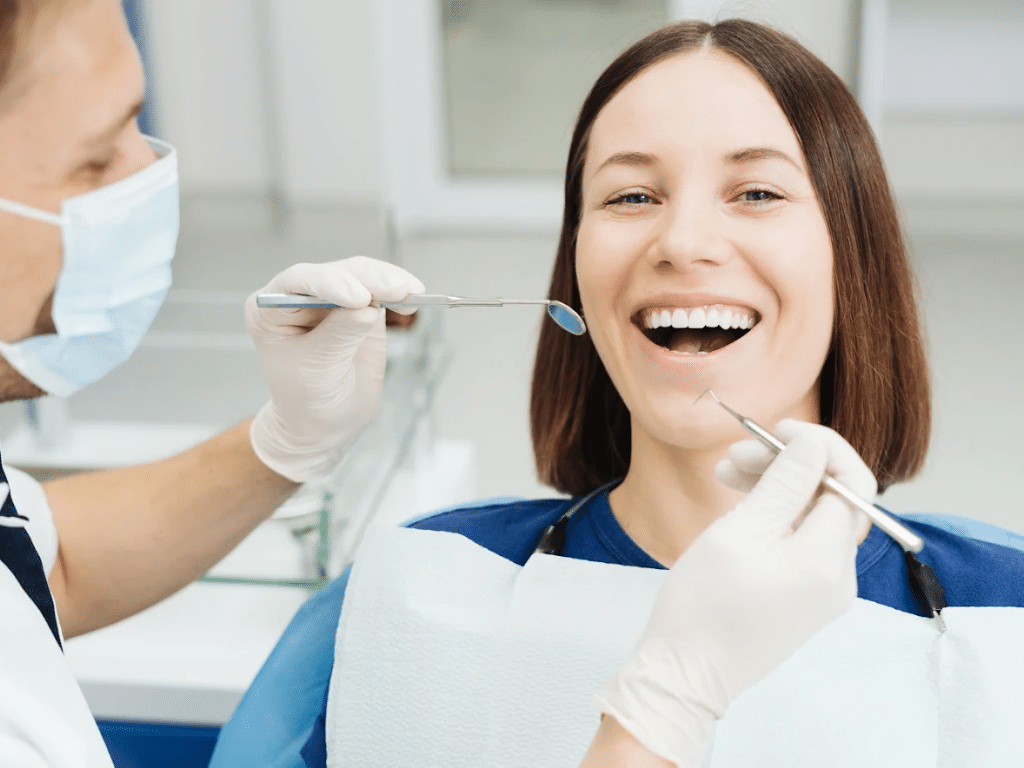
The routine screening is remarkably straightforward and is usually integrated seamlessly into your standard check-up—you may not even realize it’s happening. The procedure, often taking less than two minutes, is divided into two parts: an extra-oral examination and an intra-oral examination. During the extra-oral check, your dental professional will visually and physically inspect your head and neck. They will gently feel (palpate) the lymph nodes, the collarbone area, and the sides of your neck, checking for any swelling, tenderness, or hard, fixed lumps that could indicate a problem or the presence of metastatic disease. For the intra-oral phase, they will systematically examine the inside of your mouth. They use a mirror, a gentle light, and often gauze to carefully check the entire oral cavity: the roof of the mouth (palate), the floor of the mouth (under the tongue), the inner cheeks, the gums, and perhaps most importantly, the sides and underside of the tongue—common sites for lesions. They are looking for persistent white patches (leukoplakia), red patches (erythroplakia), lumps, ulcers that haven’t healed, or any textural changes. The process is completely painless and requires no preparation.
3. Understanding the Key Risk Factors in the Caledonia Context
While global risk factors remain consistent, understanding them is key for community-specific preventative health. Tobacco and excessive alcohol consumption are the two dominant risk factors globally, often acting synergistically, meaning the risk is multiplied, not just added, when both are used. Even with the declining rate of smoking, the use of vaping products and smokeless tobacco still presents risks. In a community like Caledonia, where historical and current demographics may include individuals exposed to these habits, proactive screening is paramount. Furthermore, the role of HPV (Human Papillomavirus) cannot be overstated; it is now considered the leading cause of oropharyngeal cancers. The HPV virus can be transmitted sexually and often lies dormant, only manifesting as cancer years later. Recognizing that the risk is not just behavioural but viral means that a patient can be a healthy, non-smoking individual in their 30s and still be at risk, necessitating universal screening regardless of perceived lifestyle health.
4. Recognizing the Warning Signs Between Dental Visits
While the professional screening is essential, you are the first line of continuous monitoring. Being aware of the key warning signs can prompt you to call your dental office immediately, rather than waiting for your scheduled appointment. Persistent symptoms that last for more than two weeks are cause for concern. These include: a sore, lump, or ulcer anywhere in the mouth that does not heal; a persistent white or red patch; unusual bleeding or numbness in the mouth; difficulty or pain when chewing or swallowing; a lump or thickening in the cheek or neck; or a sensation that something is caught in the throat. Another key sign is a change in the fit of dentures, or persistent hoarseness. If a resident of Caledonia notices any of these symptoms, they should contact their dental professional immediately. These signs are not always cancer, but they must be evaluated professionally to rule out malignancy and secure a proper diagnosis.
5. What Happens If a Suspicious Area is Found?
Finding a suspicious lesion does not automatically mean a cancer diagnosis—it merely means that further investigation is warranted. Your dental professional will first document the area precisely (size, location, colour) and may recommend a follow-up visit in one to two weeks to see if the lesion resolves naturally. If the abnormality persists, the next step is typically a biopsy. A biopsy involves taking a small sample of the suspicious tissue, either through a simple punch biopsy or an exfoliative cytology brush, which is then sent to a pathology lab for definitive diagnosis. In the Caledonia area, your dentist will have established protocols and referral networks with local oral surgeons or Ear, Nose, and Throat (ENT) specialists in nearby centres like Hamilton or Brantford. The process is handled with sensitivity and speed, ensuring the patient receives the necessary specialized care without undue delay.
6. The Impact of an Oral Cancer Diagnosis on Quality of Life
While the focus is on detection, understanding the potential impact of a late-stage diagnosis underscores the importance of the screening. Treatment for advanced oral cancer—which may involve extensive surgery to remove parts of the tongue, jawbone, or throat, followed by radiation and/or chemotherapy—can severely impact the patient’s quality of life. This can lead to difficulties with speech, swallowing, and eating, often requiring long-term rehabilitation. Furthermore, the aesthetic changes can be profound, impacting self-esteem and mental health. Early detection, on the other hand, often allows for less invasive treatment, preserving function and appearance and resulting in significantly better outcomes and recovery. For residents of Caledonia, investing a few minutes in a painless screening is an investment in preserving not just their life, but their lifestyle and ability to enjoy their community.
7. The Interplay Between Your Dentist and Your Medical Doctor
Oral health is not separate from systemic health; they are intrinsically linked. Your dental professional in Caledonia plays a vital role in communicating any concerns with your medical doctor. Often, early signs of nutritional deficiencies, systemic diseases (like diabetes), or even other forms of cancer can manifest in the oral cavity. If a suspicious lesion requires referral to a specialist, your dental team will coordinate this transfer of care, ensuring a seamless experience. Furthermore, during the screening, a dental professional may identify risk factors (like heavy tobacco use) that need a broader health intervention, prompting them to connect the patient with smoking cessation programs or counselling resources, thereby acting as a crucial component of the patient’s overall healthcare team.
8. The Financial and Emotional Cost of Screening vs. Treatment
The financial and emotional calculus heavily favours screening. An oral cancer screening is typically included in the cost of a routine dental exam, or if a specialized device is used, the cost is nominal. Compared to the staggering financial and emotional burden of treating advanced oral cancer, the screening is virtually free of cost. Late-stage treatment involves months of specialists’ fees, hospital stays, chemotherapy, radiation, and potentially years of rehabilitation and follow-up care. The emotional toll on the patient and their family is incalculable. For the citizens of Caledonia, choosing regular screening is a profoundly cost-effective and emotionally intelligent decision—an act of self-care that prevents a potentially devastating and expensive crisis.
9. Proactive Prevention: The “Anti-Cancer” Daily Routine
Prevention extends far beyond the dental chair; it is built into your daily life. Research suggests that a diet high in antioxidants can help your body fight off the cellular damage that leads to cancer. Incorporating dark leafy greens, berries, cruciferous vegetables (like broccoli), and green tea into your diet creates an internal environment that is hostile to cancer development. Additionally, we often forget that our lips are skin, too, and are highly susceptible to solar damage. In a community active in outdoor recreation—whether fishing on the Grand River or hiking local trails—using a lip balm with SPF 30+ is a critical, simple habit to prevent lip cancer. By combining good nutrition, sun protection, and rigorous oral hygiene (brushing and flossing to reduce chronic inflammation), you actively lower your risk profile every single day.
10. The Role of Advanced Technology: Seeing What the Eye Cannot
While the standard visual exam is effective, modern dentistry has evolved to include advanced screening technologies that can detect abnormalities before they are visible to the human eye. Many forward-thinking dental practices now utilize adjunctive screening devices, such as VELscope or Identafi. These hand-held tools use specific wavelengths of light (often blue or violet) to stimulate natural fluorescence in the mouth’s tissues. Healthy tissue typically reflects a specific pattern (often a bright green glow), while abnormal or pre-cancerous tissue appears dark or irregular because it lacks that fluorescence. This “biophotonic” feedback allows your dentist to see beneath the surface, identifying potential danger zones at the cellular level long before a lesion or white patch appears. Asking your Caledonia dentist if they use these advanced aids can provide an extra layer of security and peace of mind.
Conclusion: Making Screening a Health Priority
Oral cancer screening is not an optional extra; it is a fundamental pillar of preventative health. For the residents of Caledonia and beyond, the message is clear: your dental visit is a potentially life-saving appointment. The simple, quick, and completely painless check-up offered by your local dental team has the power to detect disease at a stage when treatment is maximally effective and minimally invasive. Take charge of your health today. By committing to regular oral cancer screenings, you are protecting not only your smile but also your future well-being and that of your family. Don’t wait for a symptom; embrace prevention.
Call to Action (CTA)
It’s Time for Your Life-Saving Check-Up.
Don’t delay this vital step in your health journey. If you are a resident of Caledonia, or the surrounding communities, contact Dentistry at the Plex today to schedule your comprehensive dental exam, which includes a thorough oral cancer screening.
- Name: Dentistry AT The Plex
- Address: 370 Argyle St S, Caledonia, ON N3W 2N2
- Phone: 289.960.0730
- Email: Send an email to [email protected]
- Website: Visit their website at www.dentistryattheplex.com.
Protect Your Smile, Secure Your Future: Why a Simple Oral Cancer Screening is the Most Important Minute of Your Dental Visit in Caledonia.