Premise
In the scenic town of Caledonia, parents often find themselves navigating the dual challenge of managing their child’s dental anxiety while planning for long-term oral health milestones. The journey from a “curious” toddler to a “confident” teenager requires more than just clinical skill; it demands a strategic partnership between the family and the dental provider. This guide explores how Dentistry at the Plex facilitates this transition, with a special focus on the integration of advanced treatments—like dental implants and orthodontics—into a cohesive, stress-free treatment plan for the growing smile.
Introduction
For many families in Caledonia, the word “dentist” can still evoke a sense of trepidation. However, the modern approach to paediatric care is designed to dismantle those fears before they even take root. At Dentistry at the Plex, we believe that every child deserves to view dental health not as a chore or a source of pain, but as an empowering part of their overall wellness. The transition from a child’s first “happy visit” to the complex orthodontic years of adolescence is a significant one.
This article is designed to be a roadmap for Caledonia parents. We will delve into how we create a fun, welcoming environment and address the technical questions that arise as children age—specifically, how advanced restorative options like dental implants intersect with braces or clear aligners. Whether your child is just getting their first tooth or is a teen athlete needing to replace a missing tooth while straightening their smile, understanding the “how” and “why” behind their care plan is the first step toward a lifetime of confidence.
1. Creating a Familiar “Dental Home” in Caledonia
The concept of a “Dental Home” is the foundation of stress-free care. By establishing a consistent, friendly location for your child early on, you eliminate the “fear of the unknown.” In Caledonia, where community ties are strong, visiting the dentist should feel like visiting a trusted neighbour. This consistency allows the dental team to monitor growth patterns and build a psychological rapport that makes even complex treatments feel routine.
- Schedule the first visit by age one to normalize the environment early.
- Ensure the waiting area is engaging with toys, books, and child-centred décor.
- Introduce the child to the same hygienist at each visit for familiarity.
- Use positive, non-threatening language (e.g., “counting teeth” instead of “exam”).
- Tour the office before the first clinical appointment to reduce spatial anxiety.
- Keep records of the child’s hobbies to build personal connections during small talk.
- Prioritize a “painless” first visit to set a positive precedent.
- Maintain a calm, unhurried pace throughout the appointment.
2. Dr. Dawood’s Gentle Communication Techniques
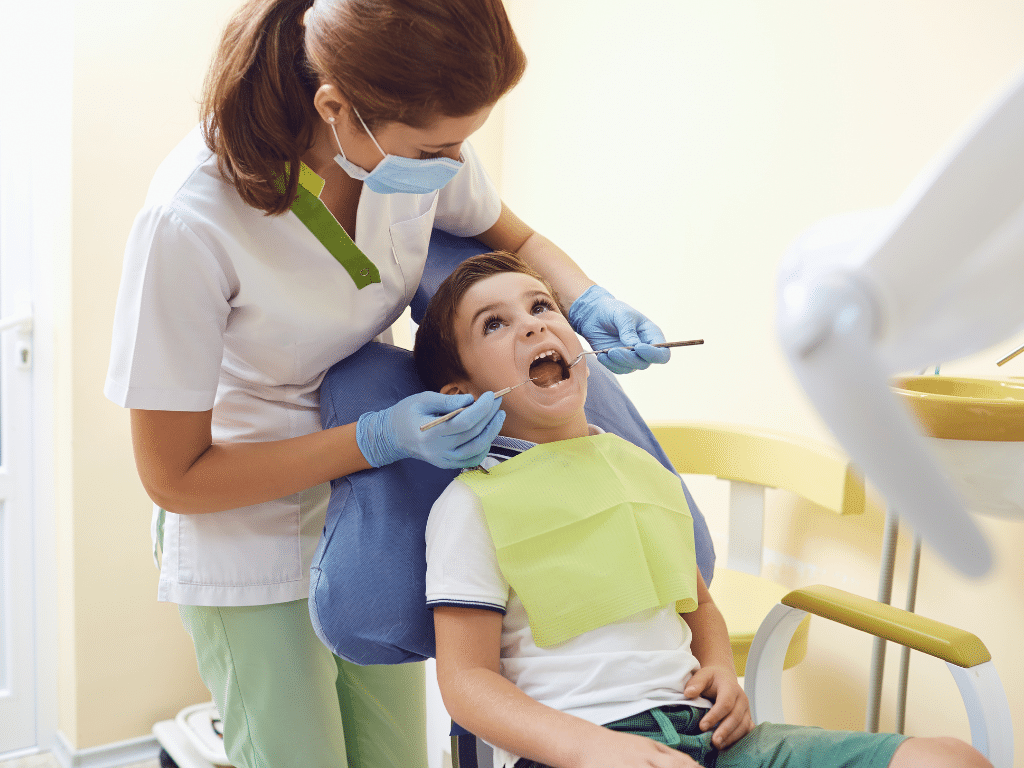
The relationship between a child and their dentist is built on trust. At Dentistry at the Plex, we employ specific behavioural guidance techniques to ensure the child feels in control of their experience. Our approach is to treat the child as an active participant in their own care, which drastically reduces the need for heavy sedation and fosters a sense of personal achievement.
- Tell-Show-Do Method: Explain the tool, show how it works on a finger, then use it.
- Establish a “stop” signal (like raising a hand) so the child can pause treatment.
- Use “Euphemisms” for tools (e.g., “Mr. Thirsty” for the suction straw).
- Employ positive reinforcement through verbal praise and small rewards.
- Maintain eye level with the child to avoid appearing physically imposing.
- Address the parent’s anxiety privately to prevent “second-hand” fear in the child.
- Avoid using words like “shot,” “drill,” or “hurt.”
- Explain the benefits of the procedure in a way a child understands (e.g., “making your teeth strong for snacks”).
3. Integrating Orthodontics and Growth Monitoring
As Caledonia children reach their school years, the focus often shifts to alignment. Orthodontic care is not just about a straight smile; it’s about ensuring the jaw develops correctly to accommodate permanent teeth. Early intervention (Phase 1) can often prevent the need for more invasive surgery later in life by guiding the eruption of teeth into their ideal positions.
- Identify crowding or spacing issues early (often around age 7).
- Assess for “tongue-tie” or “mouth breathing” that can affect jaw shape.
- Discuss the pros and cons of traditional metal braces versus clear aligners.
- Monitor the loss of primary teeth to ensure a “pathway” for adult teeth.
- Use 3D imaging to show parents and teens their projected “future smile.”
- Coordinate cleaning schedules with orthodontic “tightening” appointments.
- Teach specialized flossing techniques for kids wearing wires.
- Evaluate the need for space maintainers if a baby tooth is lost prematurely.
4. The Intersection of Dental Implants and Braces
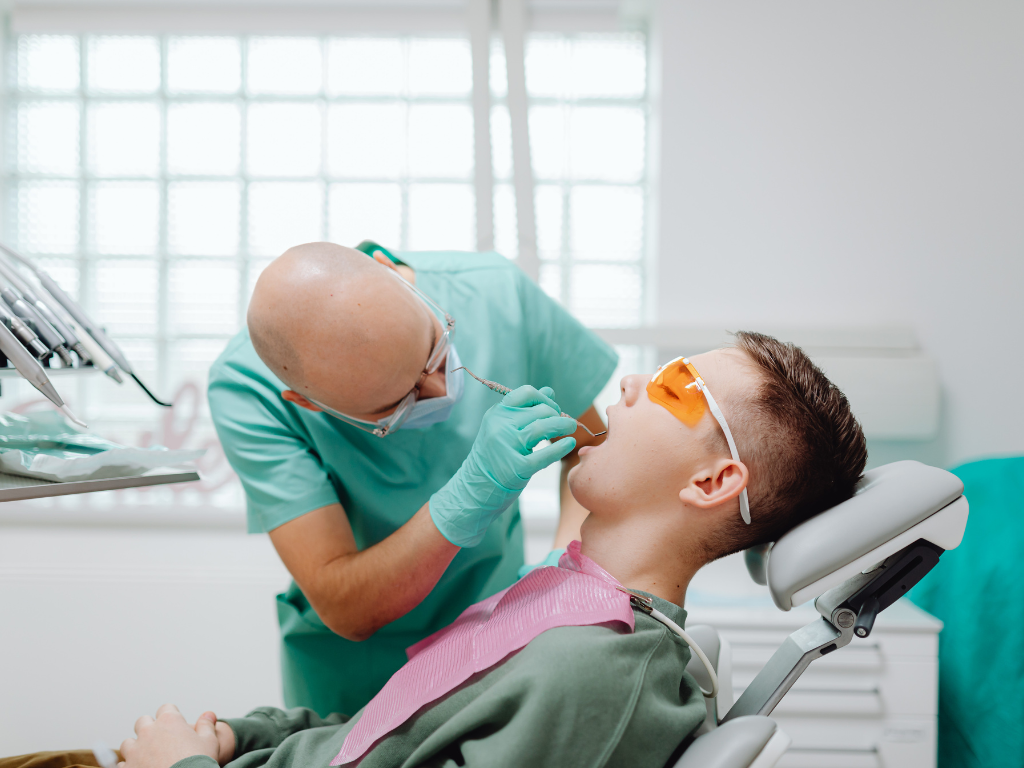
A common question for Caledonia parents of teens is how to handle a missing tooth—whether congenital or due to a sports injury—while also needing braces. Dental implants are the “gold standard” for replacement, but they cannot be moved by braces because they fuse directly to the bone. This requires a masterfully choreographed treatment plan where orthodontics and restorative dentistry work in tandem.
- Use braces or aligners first to create the exact space needed for an implant.
- Ensure adjacent teeth are perfectly upright and parallel before surgery.
- Wait until the jawbone is fully developed (typically late teens) before placing the implant.
- Place a “temporary” prosthetic tooth on the orthodontic wire for aesthetics during treatment.
- Use the implant as an “anchor” (TAD) if specific tooth movements are required.
- Conduct a digital “mock-up” to see how the implant crown will fit into the final bite.
- Educate the teen on why the implant must wait for skeletal maturity.
- Coordinate care between the orthodontist and the implant specialist.
5. Managing Sports Injuries and Emergency Care
Caledonia is an active community, and sports-related dental trauma is a reality. From hockey at the arena to soccer in the park, accidents happen. Knowing how to handle a knocked-out tooth or a broken bracket can mean the difference between saving a smile and needing a long-term implant-based solution.
- Keep the dental office’s emergency number (289.960.0730) in your phone contacts.
- Store a knocked-out tooth in a container of milk or a specialized “tooth-saver” kit.
- Apply cold compresses immediately to reduce swelling after a facial impact.
- Schedule a “trauma check” even if the tooth looks okay, to check for root damage.
- Get a custom-fitted sports mouthguard—the best insurance against implants.
- Understand that dental implants are a last resort after trying to save the natural tooth.
- Rinse the mouth with warm salt water for any soft tissue cuts or tears.
- Seek immediate care for a “subluxated” tooth (one that has been pushed out of place).
6. The Rise of Clear Aligners for Teens
Modern teens in Caledonia often prefer the discretion of clear aligners over traditional braces. This technology is not just for adults; it is highly effective for adolescent smiles. Aligners allow for better hygiene and fewer dietary restrictions, which significantly lowers the stress level for both the teen and the parent during the treatment years.
- Removable trays mean no “forbidden foods” (popcorn, apples, and candy are okay!).
- Virtually invisible appearance boosts self-esteem during school and social events.
- Easier brushing and flossing compared to cleaning around metal brackets.
- Built-in “compliance indicators” to show if the teen is wearing them long enough.
- Digital scanning replaces the “goopy” impressions that many kids dislike.
- Fewer emergency visits for broken wires or poking brackets.
- A “replacement” program for lost trays (a common concern for parents).
- Predictable treatment timelines with 3D progress tracking.
7. Nutritional Guidance for a Cavity-Free Life
Prevention is always the most “stress-free” form of dentistry. In Caledonia, we work with parents to identify hidden sugar traps and build a diet that supports strong enamel. A healthy diet is particularly crucial when a child is wearing braces, as food traps can quickly lead to “white spot lesions” or permanent decay.
- Swap sugary juices for fluoridated tap water to strengthen enamel.
- Incorporate “crunchy” vegetables that act as natural tooth scrubbers.
- Avoid “sticky” snacks like fruit leathers that cling to braces.
- Limit acidic sodas and energy drinks that erode tooth structure.
- Teach the “rinse after eating” habit if a toothbrush isn’t available.
- Discuss the benefits of dairy and calcium-rich foods for jaw development.
- Use xylitol-sweetened gum (for kids without braces) to stimulate saliva.
- Identify “safe” treats that won’t damage orthodontic hardware.
8. Financial Planning and Insurance Coordination
We understand that high-quality dentistry is an investment. Navigating insurance codes, co-pays, and the Canada Dental Care Plan (CDCP) shouldn’t be the parent’s job. At Dentistry at the Plex, we handle the paperwork so you can focus on your child’s recovery and comfort.
- Provide direct billing to most major insurance providers to reduce out-of-pocket costs.
- Detailed pre-treatment estimates so there are no “surprise” bills.
- Guidance on applying for and using the CDCP benefits for children.
- Flexible monthly payment plans for braces and orthodontic aligners.
- Coordination of “dual coverage” if both parents have insurance.
- Phased treatment planning to spread costs over several years.
- Explanation of “Health Spending Accounts” (HSA) and tax credits.
- Transparent pricing that follows the current provincial fee guide.
9. Technology as a Tool for Comfort
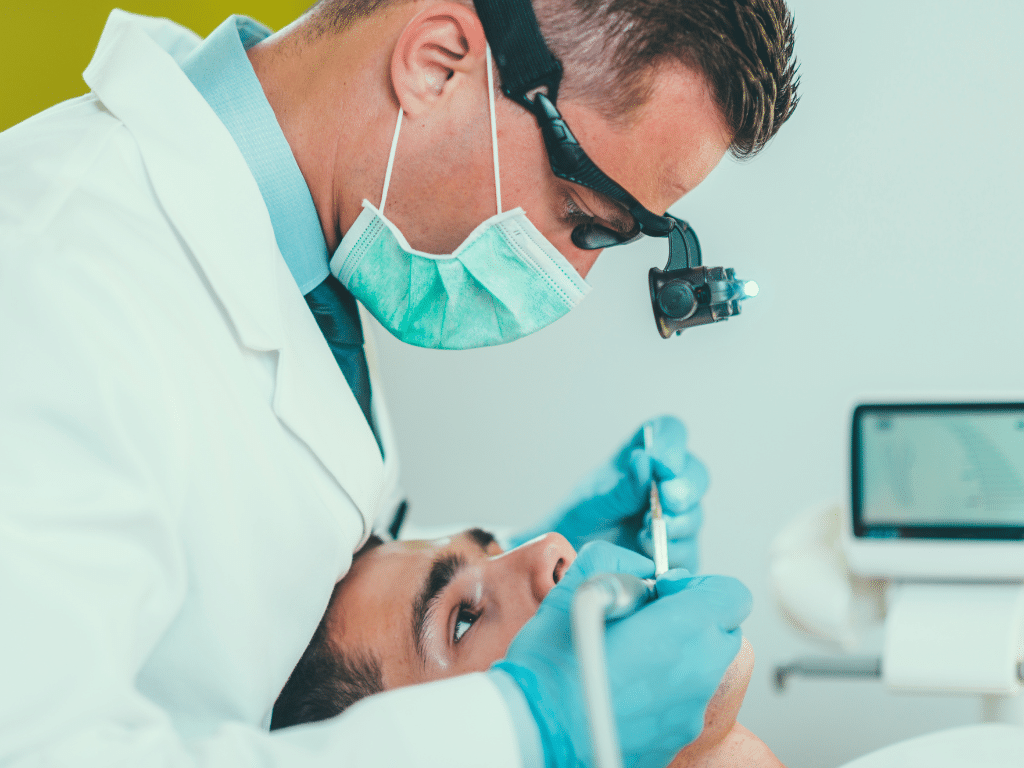
Modern dentistry in Caledonia uses technology to make appointments faster and more comfortable. From digital X-rays with 90% less radiation to “the wand” for painless freezing, we leverage the latest tools to ensure your child never has to associate the dentist with discomfort.
- Digital 3D scanning to eliminate the need for traditional moulds.
- Low-radiation digital X-rays for safer diagnostic monitoring.
- Intraoral cameras so children can see their “tooth bugs” on a big screen.
- Noise-cancelling headphones to drown out the sounds of the dental office.
- Soft-tissue lasers for painless gum treatments or frenectomies.
- Entertainment systems above the dental chair for distraction.
- Automated appointment reminders via text or email for busy parents.
- Advanced sterilization protocols that exceed provincial standards.
10. The Transition to Adult Care
The final goal of children’s dentistry is to graduate a patient into adult care who is confident, knowledgeable, and proactive about their health. By the time a Caledonia teen has finished their braces and received any necessary implants, they should feel completely “at home” in the dental chair.
- Gradual shift in responsibility: teaching the teen to manage their own appointments.
- Final assessment of wisdom teeth and their impact on previous orthodontics.
- A “long-term maintenance” plan for any dental implants placed.
- Education on the link between oral health and overall systemic wellness.
- Professional whitening options to celebrate the removal of braces.
- Fitting for a long-term retainer to protect the orthodontic investment.
- A seamless transition to our general dentistry services within the same office.
- Final review of adult hygiene habits and the importance of bi-annual checkups.
Conclusion
Navigating the world of children’s dentistry in Caledonia is a journey that evolves with your child. From the first tooth to the final retainer, the key to success is a gentle, patient-centred approach. By integrating complex treatments like dental implants and orthodontics into a clear, stress-free roadmap, Dentistry at the Plex ensures that your child doesn’t just end up with a beautiful smile, but with the confidence to maintain it for life. We invite you to experience the difference that a compassionate, tech-forward, and community-focused dental home can make for your family.
- Name: Dentistry AT The Plex
- Address: 370 Argyle St S, Caledonia, ON N3W 2N2
- Phone: 289.960.0730
- Email: Send an email to [email protected]
- Website: Visit their website at www.dentistryattheplex.com.
Empowering Caledonia’s Youngest Smiles from Toddlerhood to Teens.